
 Pristupačnost
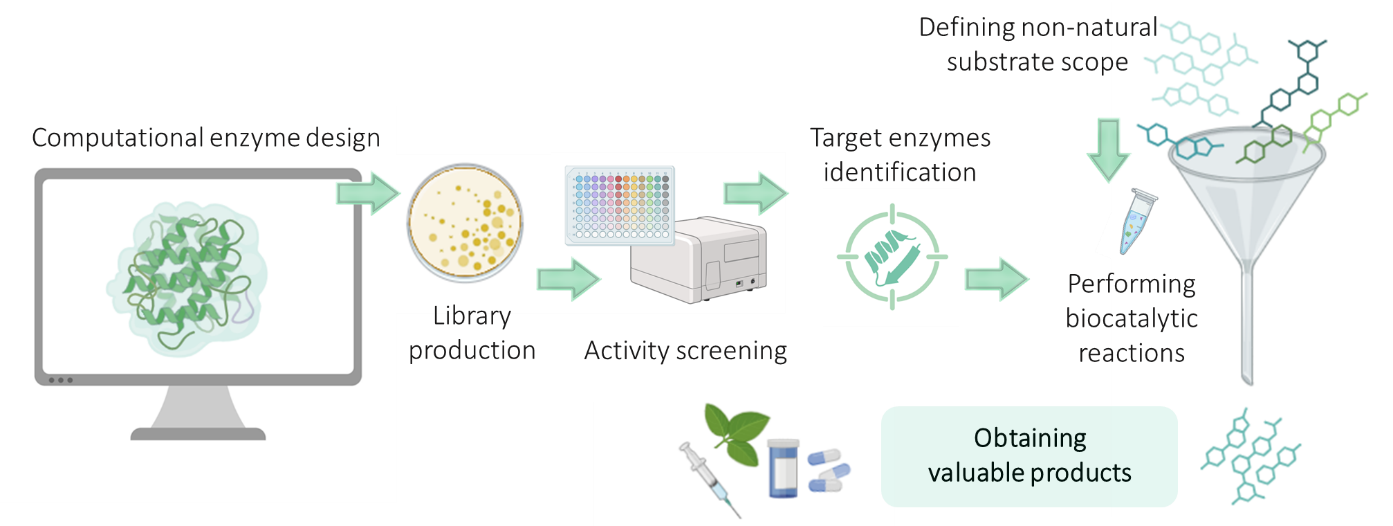
Figure 1.Graphical abstract of the project “Access to novel C–C bonds by Exploring
PEP-dependent Tailored aldolases (ACCEPT)”
Phosphoenolpyruvate (PEP)-dependent aldolases catalyse stereoselective C-C bond formation between PEP and aldose acceptors, yielding 3-deoxy-2-keto sugar acids with precise stereocontrol and up to two new stereocentres in a single step. Two representative families, 3-deoxy-D-manno-octulosonate 8-phosphate synthases (KDO8PS) and 3-deoxy-D-arabino- heptulosonate 7-phosphate synthases (DAHPS), are central to lipopolysaccharide-core biosynthesis and the shikimate pathway and generate valuable ulosonic-acid and C7 sugar intermediates. Despite this synthetic potential, both enzyme families remain virtually unexploited in preparative biocatalysis, mainly because they natively require costly phosphorylated electrophiles. Preliminary in-house screening of metagenome-derived KDO8PS and DAHPS homologues has revealed activity towards five aromatic aldehydes, with some substrates reaching over 80% conversion in 24-hour assays at 5 mM substrate scale and 2 mg/mL cell free extract loading, providing proof of concept for electrophile-scope expansion. Building on these results, this project will: O1. Map baseline substrate-acceptance profiles of selected enzymes across a structurally diverse panel of non-phosphorylated and aromatic electrophiles using microplate-based or fast HPLC assays, complemented by UPLC-QTOF-MS hit validation; O2. Engineer a small, focused library of improved variants by integrating deep-learning-based structural modelling, sequence coevolution and protein–ligand interaction analyses with semi-rational mutagenesis at active-site hotspots, using solubility-aware selection; O3. Elucidate kinetic behaviour via systematic initial-rate studies, product-inhibition assessment and kinetic modelling within a FAIR- and STRENDA-compliant framework; and O4. Identify catalytic and stability bottlenecks that limit synthetic utility and provide experimentally validated quantitative guidance for future scale-up or engineering cycles. Collectively, these objectives will establish PEP- dependent aldolases as a versatile biocatalytic platform for stereoselective C–C bond formation, broadening access to products relevant to antibacterial, herbicidal and glycomimetic purposes. Moreover, the project will establish a new interdisciplinary research group that unites enzyme engineering with reaction engineering, thereby providing a strong foundation for the PI’s development as an independent researcher.